Infancy and Early Childhood
Building on Solid Foundations
The spine is a vital component of our body that houses and protects the spinal cord which sends signals between the brain and the rest of the body. Neglecting spinal care can lead to long-term discomfort and chronic issues.
A healthy pregnancy with proper positioning can influence the development of the baby’s spine. It is after birth, through an infant’s natural movements, rolling, lifting their head, sitting, crawling and walking that the spine starts to develop its curves.
With the right practices, we can ensure a heathy spine at every stage and building a strong, well-functioning foundation at an early age can help at every age going forward.
- Proper Handling: Always support a baby’s head and neck when lifting them to prevent unnecessary strain.
- Tummy time: This activity encourages muscle development in the neck, back, and shoulders, helping the baby build strength for future movements like sitting and crawling.
I often hear from parents that their baby doesn’t like tummy time, or that they will only do it when on them, propped on their chest etc. This is OK to do, as long as there is also time on the floor or flat surface, aim to accumulate 30 minutes a day minimum. It cannot be stressed enough how important this time is. This should be time that is interactive and supervised, do not put your baby on the floor and walk away to wash dishes.
- Correct posture during feeding: It is just as important in bottle feeding as breast feeding to ensure the baby’s head, neck and spine are aligned. Avoid slumping, or twisting, as poor feeding posture can create tension in the spine. Not just the baby’s spine!! A healthy happy mum without tired shoulders or headache has more energy for her baby.
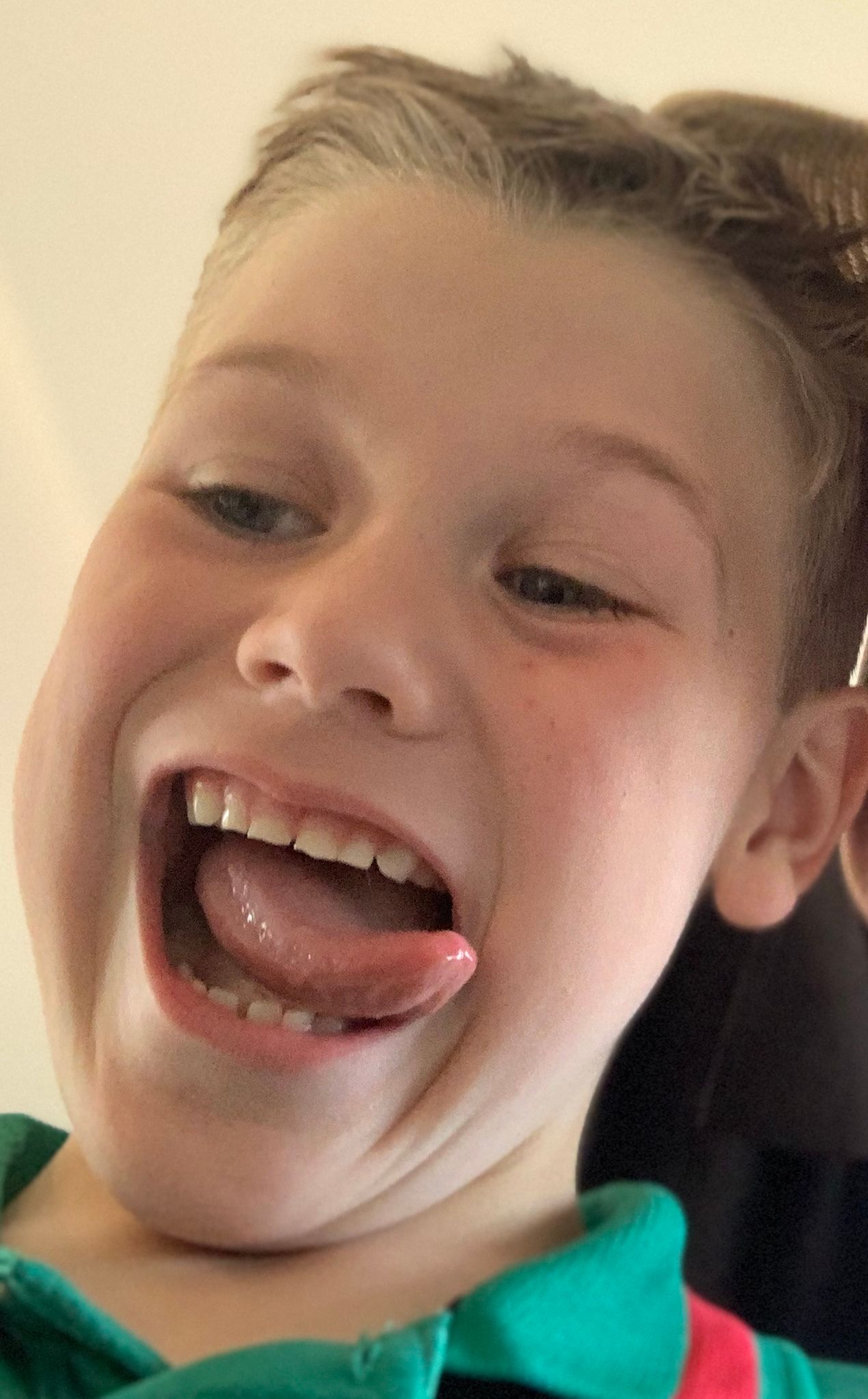
If there are feeding concerns see your chiropractor, I am not a lactation consultant, but I will know if you need to see one and know who to refer you to. I can assess tongue function, and tongue, lip and cheek ties, among other things that can influence feeding comfort and ease.
As our precious babies grow they go though an amazing array of new learnings, motor function (movement) & cognitive functions (thinking). Not many people know this but the same motor pathways that are used for walking are also used in talking and this is why there is often an explosion of words when our toddlers start walking.
- Posture
While young children will tend to naturally stand tall and sit well it is essential to encourage regular breaks in sedentary activities such as screen time and reading to maintain muscle tone and do your best to get your young children into a variety of activity and movement experiences,
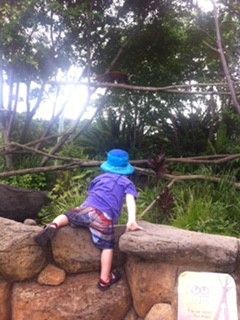
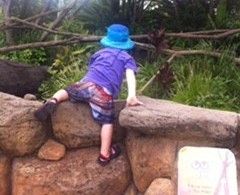
- time at the park climbing on and over and in everything is essential,
- rock climbing – some easy bouldering.
- fun in the garden, with balls and swings and slippery slides.
More variety of activity means more pathways in the brain and stronger muscles to hold us upright.
I recommend that your chiropractor checks your baby/young child monthly up to walking; then once every 6-12 weeks after that for check ups to make sure everything is growing and developing as expected. If there is a particular concern, there may be a period of care where we see your child more often and then once resolved, we are back to check-ups.
Live long and grow with grace,
Karissa S.